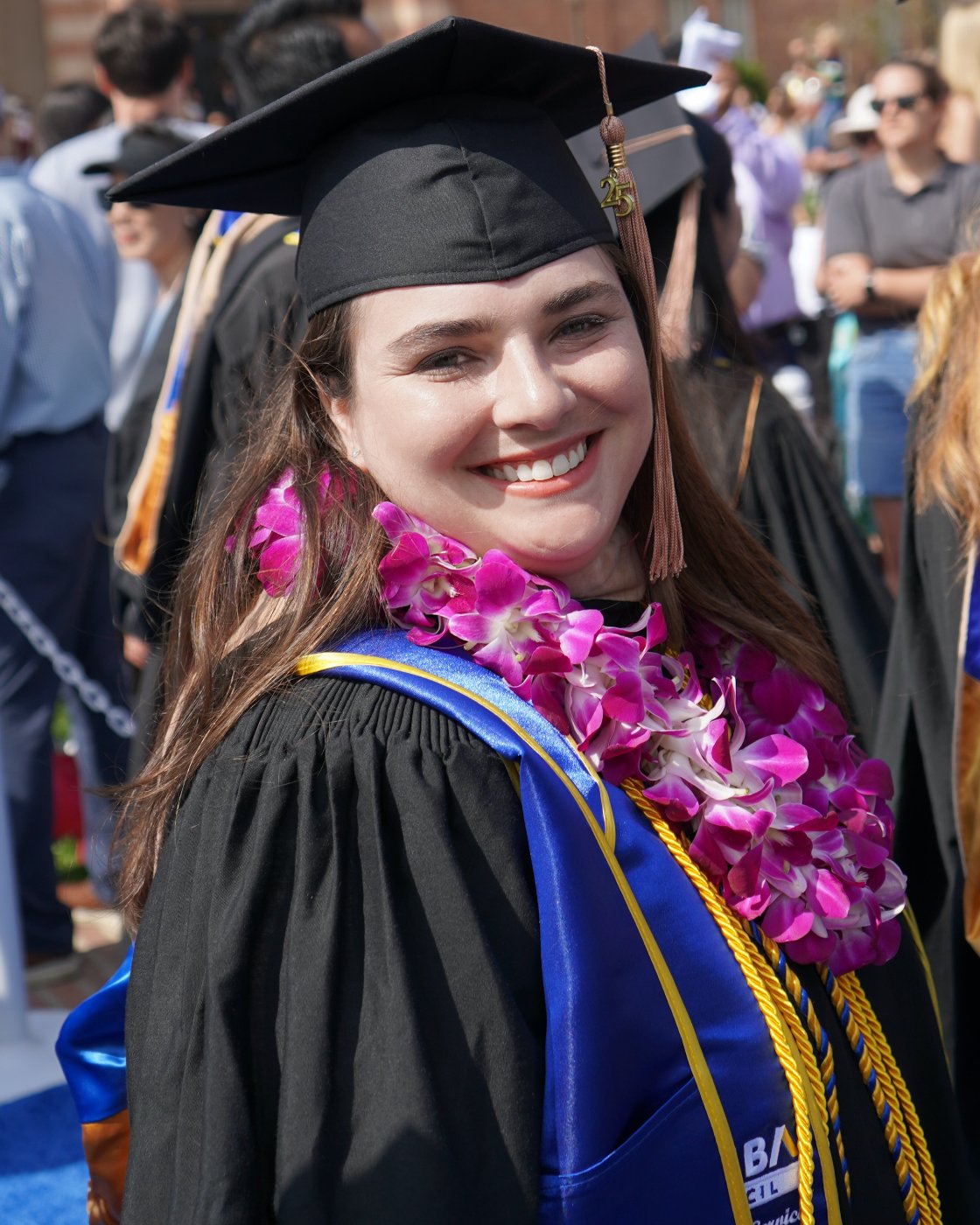
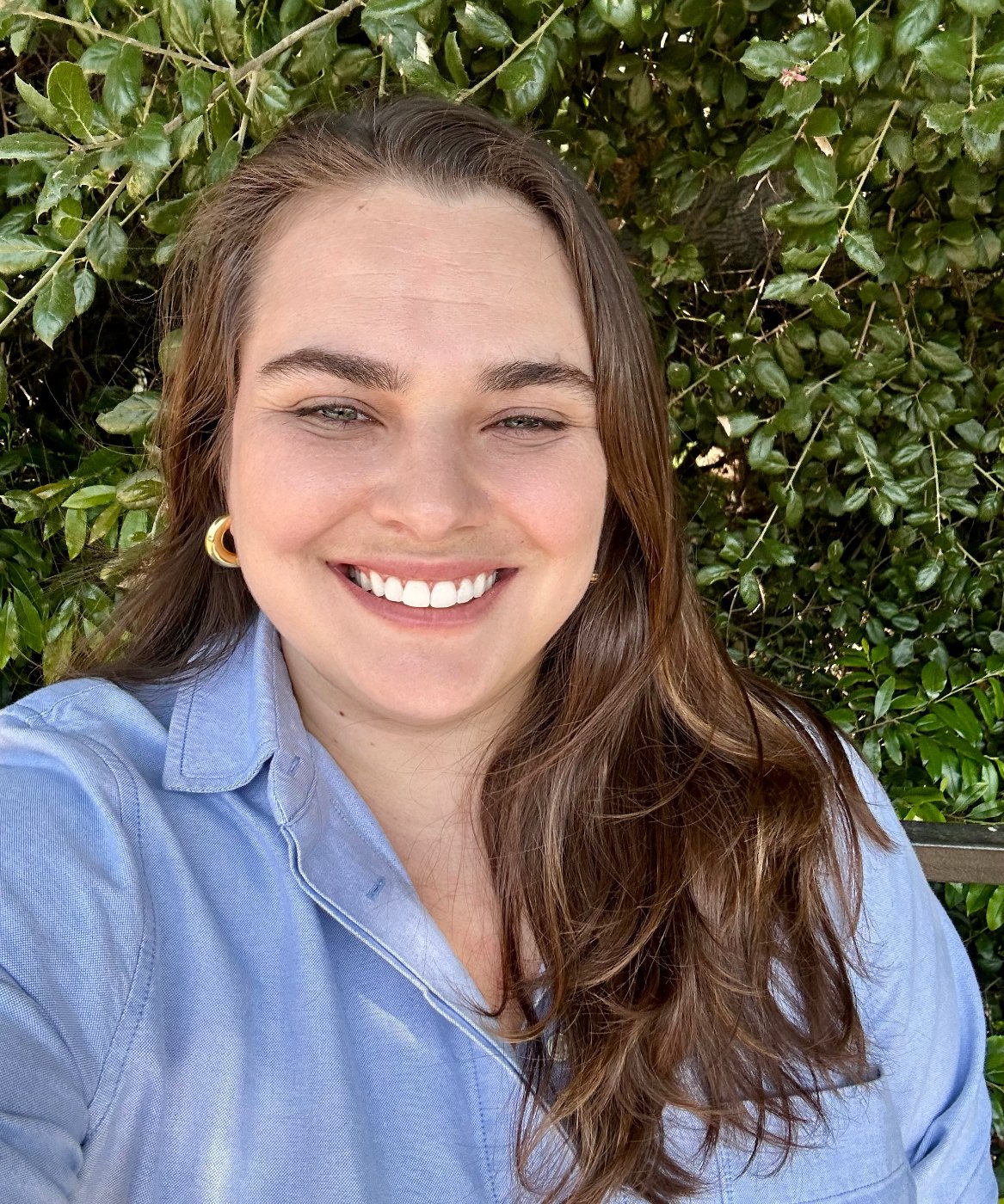
I'm Andrea. I was diagnosed with ADHD as an adult, too.
I'm a therapist for women with ADHD, childhood trauma and burnout, and I've done my own trauma therapy and ADHD work. Andrea Lynn Piazza, MA, LPCC, LMHC, NCC.

The diagnosis I didn't believe

I went to the doctor for depression. I came out being told I had ADHD, and I thought that was ridiculous. I'd always done well.
Looking back, I'd done well by compensating. I taught myself at night what I'd missed during the day, overprepared for everything, and worked in bursts: a huge amount at once, then nothing for weeks. I started hobbies and dropped them. From the outside it looked like ambition. From the inside it was exhausting, and a lot of it ran on being hard on myself. That's a common way ADHD shows up in women, and it's easy to miss when the only picture you've seen is a hyperactive boy.
I learned to ride my waves instead of using self-loathing as fuel.
Once I understood my patterns, I could work with them. I built skills I'd never been taught, got a lot kinder to myself, and accepted that some things will always work differently for me. Medication helps when I can get it, and I've learned to manage when I can't. That's the work I do with clients: less forcing, more understanding how you actually operate.
Outside the therapy room

I've been Director of Virtual Programming at Discovery Behavioral Health, where I designed telehealth programs for mental health, eating disorder and addiction treatment across the country. I have an MBA from UCLA Anderson. If you're building a career or running a business, I understand the pressure from the inside, and I won't treat ambition as a symptom.
I'm also working on a PhD in health policy at the University of Toronto. In practice that means I read the research, I know which parts of it are solid, and I'll explain the reasoning behind anything we try.
My practice is neurodivergent-affirming and LGBTQ+ affirming. You don't need to share my background, my politics or my sense of humor to work with me.